
Introduction: Best Foods for a Healthy Heart
Today, we’re talking about the best foods for your heart. A heart-healthy diet includes a variety of foods that can help you manage cholesterol, blood pressure, and blood sugar levels, and keep your arteries healthy.
Factors That Affect Your Heart Health
Let’s talk about the factors that affect your heart health. Some things you can manage, while other things might be out of your control. Your family history, age, sex, and ethnicity, for example, are risk factors you can’t control. For instance, men are more likely to develop cardiovascular disease at an earlier age, and your risk increases if you’re over age 50. Your medications, stress, smoking, activity levels, and what you eat, however, are things you can manage and change.
Why Diet Matters for Heart Health
Diet is one of your most powerful tools for boosting heart health. Your overall eating patterns can have a big impact. Try to eat more fiber, fruits, vegetables, and healthy fats, and try to eat less saturated fat, sodium, and added sugar.
Here is a list of heart healthy food items:
Top 10 Heart-Healthy Foods to Add to Your Diet
Some foods, in particular, have been researched and found to be good for your heart. Here are 10 heart-healthy foods and how to get them on your plate. We’ve also pulled together some recipes that use these ingredients on healthline.com, and we’ll link those below.
Pulses and Beans: Fiber-Rich Powerhouses
Remember, pulses are good for your pulse—aka heart health. The pulse family includes dried beans, lentils, and peas. They’re high in fiber, which helps regulate cholesterol and blood sugar. They’re also rich in potassium and magnesium, which can help manage your blood pressure. You can add beans to soups and stews, or use lentils to replace some or all of the ground meat in many recipes.
Soy Products: Plant-Based Protein for Heart Health
Soy products include tofu, tempeh, and soy milk. Soybeans are part of the pulse family, so you’re getting those benefits we just talked about, plus some extra perks. Soy contains compounds called isoflavones, which seem to as a heart healthy food. Eating more soy products may help lower inflammation and cholesterol levels. Try using firm tofu instead of meat in a stir-fry, or silken tofu to add protein to a smoothie, or snack on a handful of edamame.
Nuts and Seeds: Healthy Fats and Antioxidants
Nuts and seeds include walnuts, almonds, pecans, pumpkin seeds, chia, flax, and more. Eating these is associated with a lower risk of heart disease. This could be due to the fiber, healthy fats, and antioxidants found in many of them. Nuts can be enjoyed as a snack or sprinkled on a salad, and small seeds can be ground up and added to yogurt or bread. You can also try chia seeds and chia seed pudding.
Dark Leafy Greens: Nutrient-Dense Heart Protectors
Leafy greens such as romaine, kale, bok choy, spinach, and beet greens are another great option for your heart. A diet high in fruits and vegetables is associated with better heart health. Research has found that specific fruits and vegetables, such as dark leafy greens, may be even more beneficial. Many leafy greens are great fresh in a salad or on a sandwich. If you’re using them in a stir-fry, add them toward the end because they can cook quickly. If you think you don’t like any greens, start small—only use a handful, cook them down, or try them in a smoothie where it’s hard to taste them.
Fruits: Nature’s Sweet Protection for Your Heart
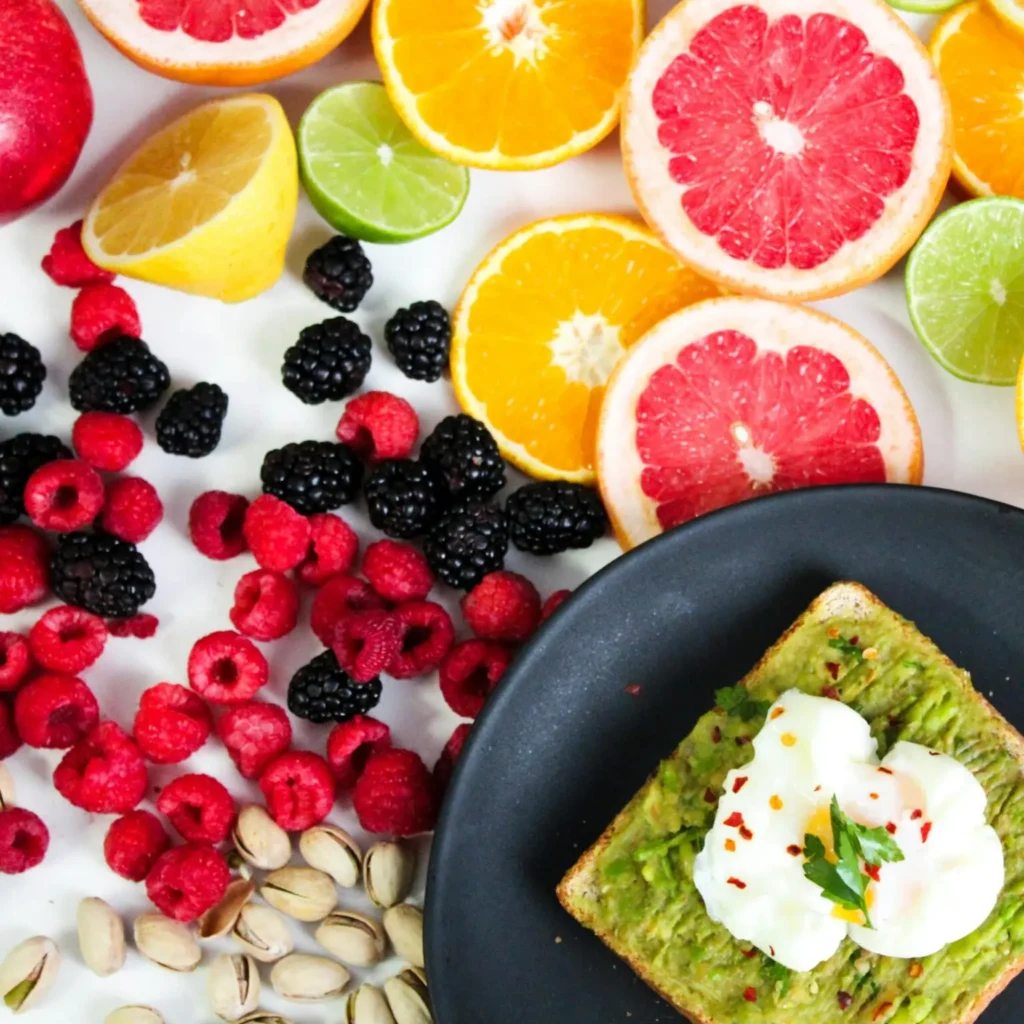
Fruit—especially citrus and berries—has many health benefits. The same research that found extra benefits of eating leafy greens also suggests that people who eat more citrus fruits, such as grapefruit, oranges, tangerines, and pomelos, tend to have fewer heart attacks and strokes. Berries are high in antioxidants, which may help reduce inflammation and decrease your chances of developing plaque buildup in your arteries. To top it off, all fruits contain fiber, which may help manage cholesterol levels. Choose fresh or frozen fruits and eat them straight, or add them to smoothies, salads, or even savory dishes. Be careful when eating grapefruit if you take certain medications, such as statins, as it may cause interactions—so check those labels or consult your healthcare team.
Fatty Fish: Omega-3 Boost for Heart Protection
Fat has a long history of being the bad guy, but the type of fat you eat is important. There is recent research that encourages us to eat more of some types of fats. Omega-3 fatty acids help reduce inflammation in your body to protect your heart and blood vessels. Fatty fish are the best dietary source of omega-3s. Choose sardines, anchovies, salmon, trout, and mackerel. Try preparing your fish in different ways—grilling, roasting, baking, and air frying can all be delicious.
Whole Grains: Fiber for Better Heart Health
Whole grains are grain products that include the entire grain, meaning they contain more antioxidants, fiber, and nutrients compared to refined grains. Fiber is important for managing your blood sugar and cholesterol levels. People who eat more whole grains have a lower risk of heart disease. Look for products with “whole grain” as the first ingredient. Enjoy oatmeal, brown rice, whole wheat pasta, bulgur, quinoa, and more. Try batch-cooking them for easy side dishes, and include them in power bowls, which might contain a grain, a protein, veggies, dressings, and some fun crunchy toppings like nuts or seeds.
Garlic: A Flavorful Heart Health Booster
Although garlic breath is less than pleasant, several studies have suggested that garlic may increase your levels of good HDL cholesterol while lowering your levels of bad LDL cholesterol and triglycerides. Use garlic to add flavor to meats, sauces, and dressings. Garlic and other herbs and spices may also help you use less salt, which can be helpful in managing your blood pressure.
Olive Oil: A Healthy Fat Staple
Olive oil is a heart-healthy pantry staple. It’s a source of healthy fat, which can help lower inflammation in your body. People who eat more olive oil tend to have lower rates of heart disease. Use olive oil–based dressings or drizzle a tablespoon over vegetables before roasting.
Yogurt: A DASH Diet Essential for Heart Health
Yogurt—especially low-fat, unsweetened yogurt—is a heart-healthy addition to your day. Low-fat dairy products, including yogurt, are a key part of the DASH diet. DASH stands for Dietary Approaches to Stop Hypertension. It’s a heart-healthy eating pattern that can help lower blood pressure. Studies have found that people who eat more yogurt have a lower risk of heart disease. You can replace sour cream with plain Greek yogurt on tacos or chili, or build your own yogurt parfait with fruit, some whole-grain cereal or granola, and slivered almonds.
Building a Complete Heart-Healthy Diet
And there you go—10 heart-healthy foods. Now, this isn’t a complete list. There are many other heart-healthy foods out there, like avocados, tomatoes, and apples. Aim for an overall eating pattern with plenty of fruits, vegetables, beans, nuts, seeds, whole grains, lean proteins, and healthy fats.
Explore More: The Mediterranean Diet
If you’re interested in learning more about heart-healthy diets, check out the Mediterranean diet. The Mediterranean diet is one of several eating patterns that focuses on eating whole, plant-based foods and limiting your intake of added sugar, saturated fats, and highly processed foods.
Final Tip: Monitor Your Heart Health Regularly
If you haven’t already, it’s a good idea to check in with your doctor if it’s been a while. They may request that you get your cholesterol, blood sugar, and blood pressure checked. They can help you understand any risk factors you may have for heart disease.